

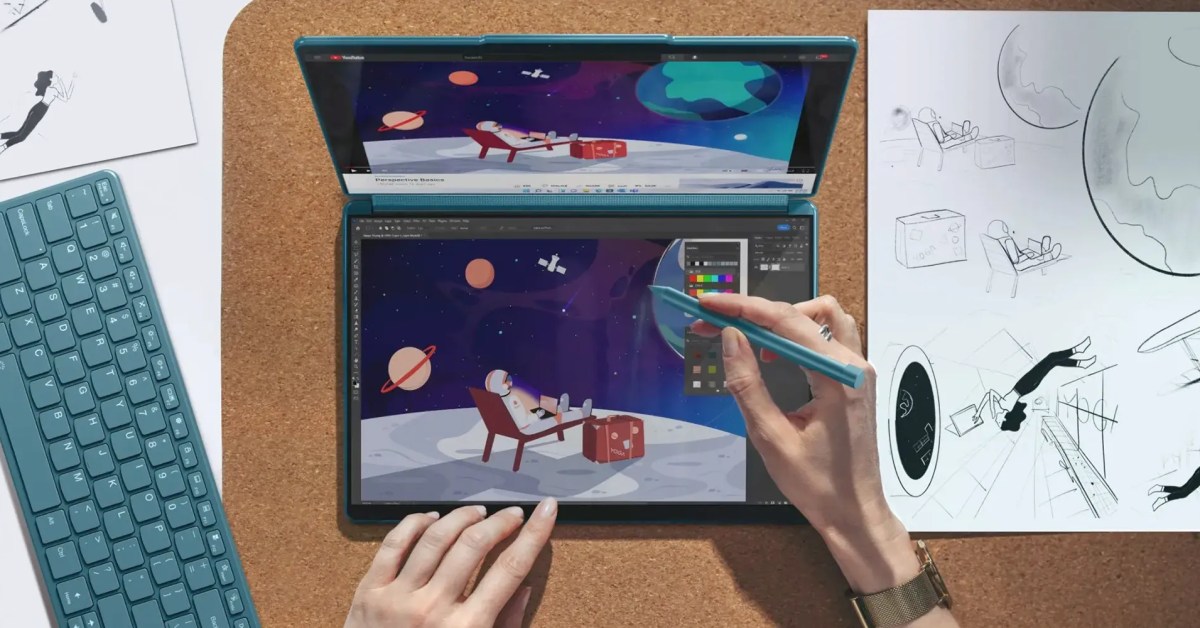
For some time, speculation has surrounded Apple’s development of a foldable clamshell device, which could be an iPad, a Mac, a combination, or a hybrid. A latest report suggested that the project, previously a priority for CEO John Ternus, was scrapped, yet the author believes this isn’t fully correct.
In the author’s view, the idea of a hybrid Mac and iPad is outdated due to current advancements. Modern Macs can run iPhone and iPad apps, and iPhone mirroring offers similar functionality. Additionally, the operating systems are converging further, a trend that will persist, moving beyond Apple’s past debates on device unification.
However, the author believes an all-screen foldable Mac will materialize when soft keyboards become practical alternatives to physical ones. This isn’t imminent but is inevitable.
The Role of Dynamic Keyboards as an Interim Solution

The author thinks it’s distant because dynamic hardware keyboards are likely an intermediate phase. He’s discussed this for a decade, and while used in niches, they haven’t become widespread.
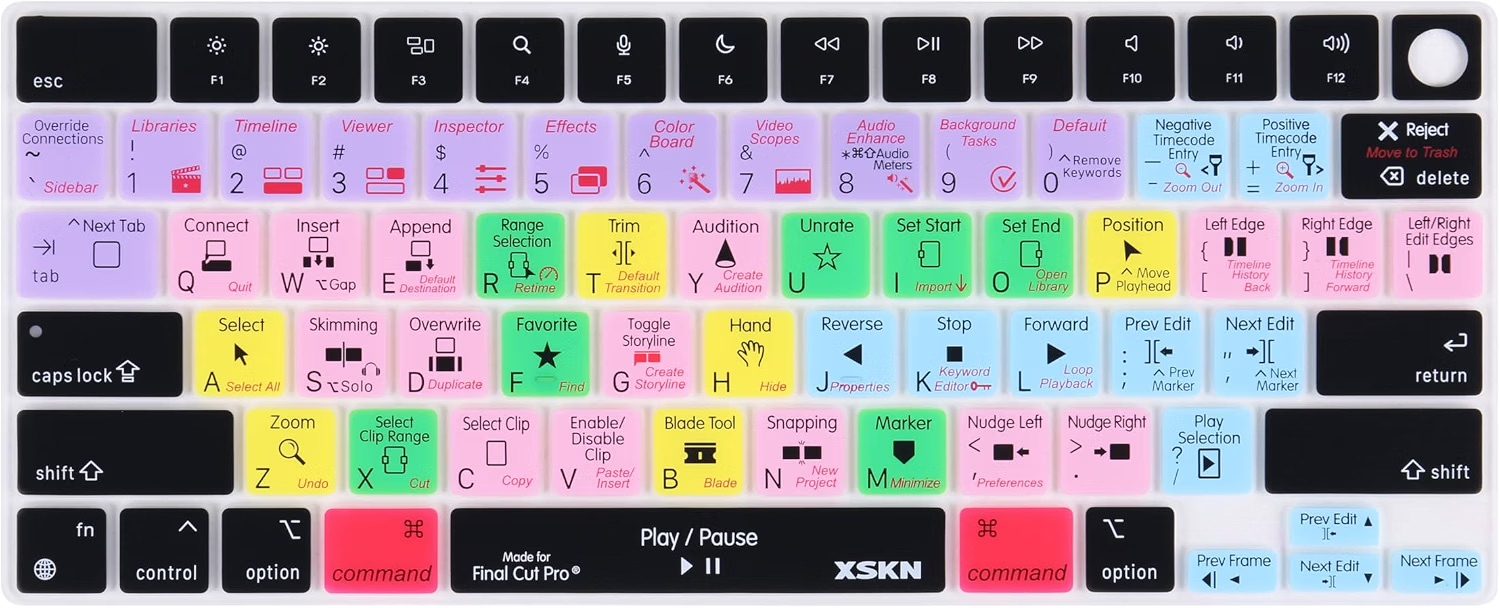
For instance, the Sonder Keyboard was an early effort using small e-ink screens to change key labels and functions. A QWERTY layout is impractical for video editors using Final Cut Pro, explaining the demand for specialized keyboards and overlays. It would be more efficient if MacBook or Magic keyboards could change their labels based on the active application.
What’s wrong with their user interfaces? They all have these keyboards that are there whether you need them or not. And they all have these control buttons that are fixed in plastic and are the same for every application. Well, every application wants a slightly different user interface, a slightly optimized set of buttons, just for it.
Soft Keyboards with Physical Feel
The ultimate aim is fully soft keyboards. The author noted in 2016 that Steve Jobs’ rationale for virtual keys on the iPhone applies to Mac keyboards. Jobs criticized fixed keyboards and buttons; each app deserves a tailored interface.
The FIG researchers have succeeded in creating embedded electroosmotic pumps (EEOPs)—capable of moving liquids by applying electrical fields instead of using moving parts—that measure just 1.5 millimeters thick. They can be paired with an equally thin liquid reservoir beneath them, and a flexible surface structure on top, to almost instantaneously create pop-up buttons (the process takes about a second) measuring almost five millimeters in height with enough pressure and rigidity to make them feel solid when pressed.
Soft keyboards face three challenges: discomfort from glass surfaces, need for tactile feedback, and the requirement for touch typists to feel keys. Apple has patents tackling these: flexible displays for deformation, haptics for feedback, and methods to simulate key texture. One patent uses electrostatic charges to alter surface texture, simulating keys. In 2023, Carnegie Mellon researchers proposed an alternative.
Carnegie Mellon’s FIG team developed thin electroosmotic pumps that can create pop-up buttons with physical feel. Though nascent, trackpads show how haptics can simulate clicks convincingly. Soft keyboards will advance to resolve all issues, using existing or future tech. Then, Jobs’ arguments hold for Mac; the keyboard adapts to tasks, and the device unfolds for a large display when needed. The author acknowledges the product might be delayed but not cancelled; its time will arrive. These are the author’s views; readers are invited to comment.
Photo shows an early Lenovo Yoga Book courtesy of Lenovo