

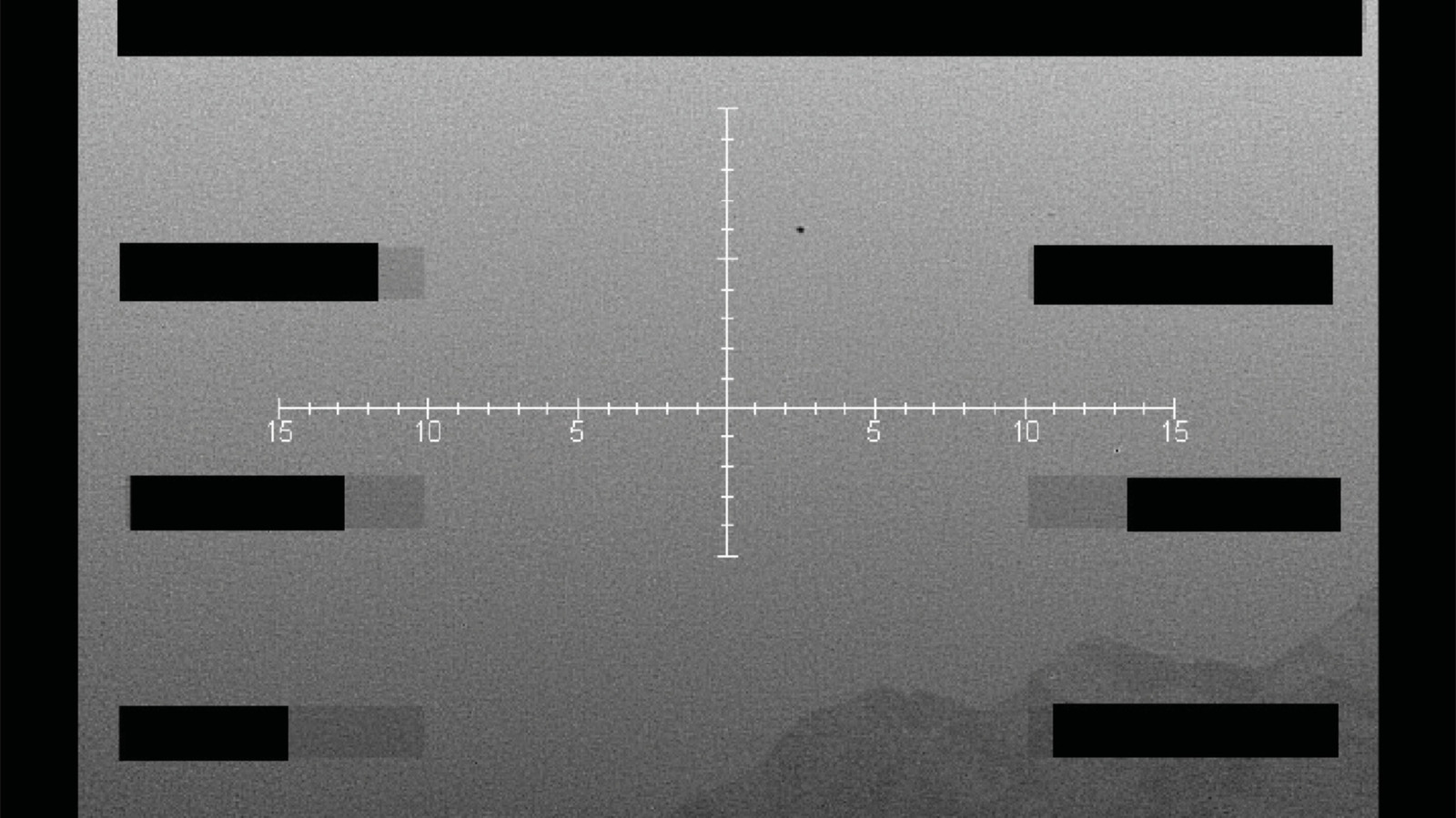
The Department of War has unveiled a new government portal dedicated to “unprecedented documents” concerning unidentified anomalous phenomena (UAP), with promises to continuously update the collection. While some Pentagon UAP footage was declassified during President Donald Trump’s first term, this latest initiative appears to stem from a February Truth Social post by Trump urging the DOW and allied agencies “to initiate the process of identifying and releasing Government files related to alien and extraterrestrial life, unidentified aerial phenomena (UAP), and unidentified flying objects (UFOs).”
The new site — war.gov/UFO — features a gallery of images and documents from the DOW, FBI, NASA, and other entities, styled to appeal to the conspiratorial leanings of UFO enthusiasts. However, clicking through the images and downloading PDFs quickly reveals a lack of concrete evidence regarding extraterrestrial visitation. Regardless of whether the release aims to divert attention from other challenges faced by the second Trump administration — such as a significant conflict with Iran — the archive serves more as a fascinating case study in bureaucratic handling of unexplained events than as definitive proof of alien contact.
Longstanding suspicions that the US government possesses greater knowledge about unidentified anomalous phenomena (the official term replacing UFOs) have persisted for decades, but formal acknowledgment of research into the topic wasn’t officially confirmed until the Advanced Aerospace Threat Identification Program (AATIP) was exposed in 2017. Established in 2007 to investigate UAP, AATIP was dissolved in 2012, but its mission continues through other government entities, notably the All-domain Anomaly Resolution Office, which operates within the DOW and contributed to this latest file release.
UAP videos shared during the first Trump administration were deemed unexplained, yet were dismissed by a government report as non-alien in origin. It remains uncertain whether these newly released files will alter that conclusion, but they certainly offer a compelling curiosity for observers.