

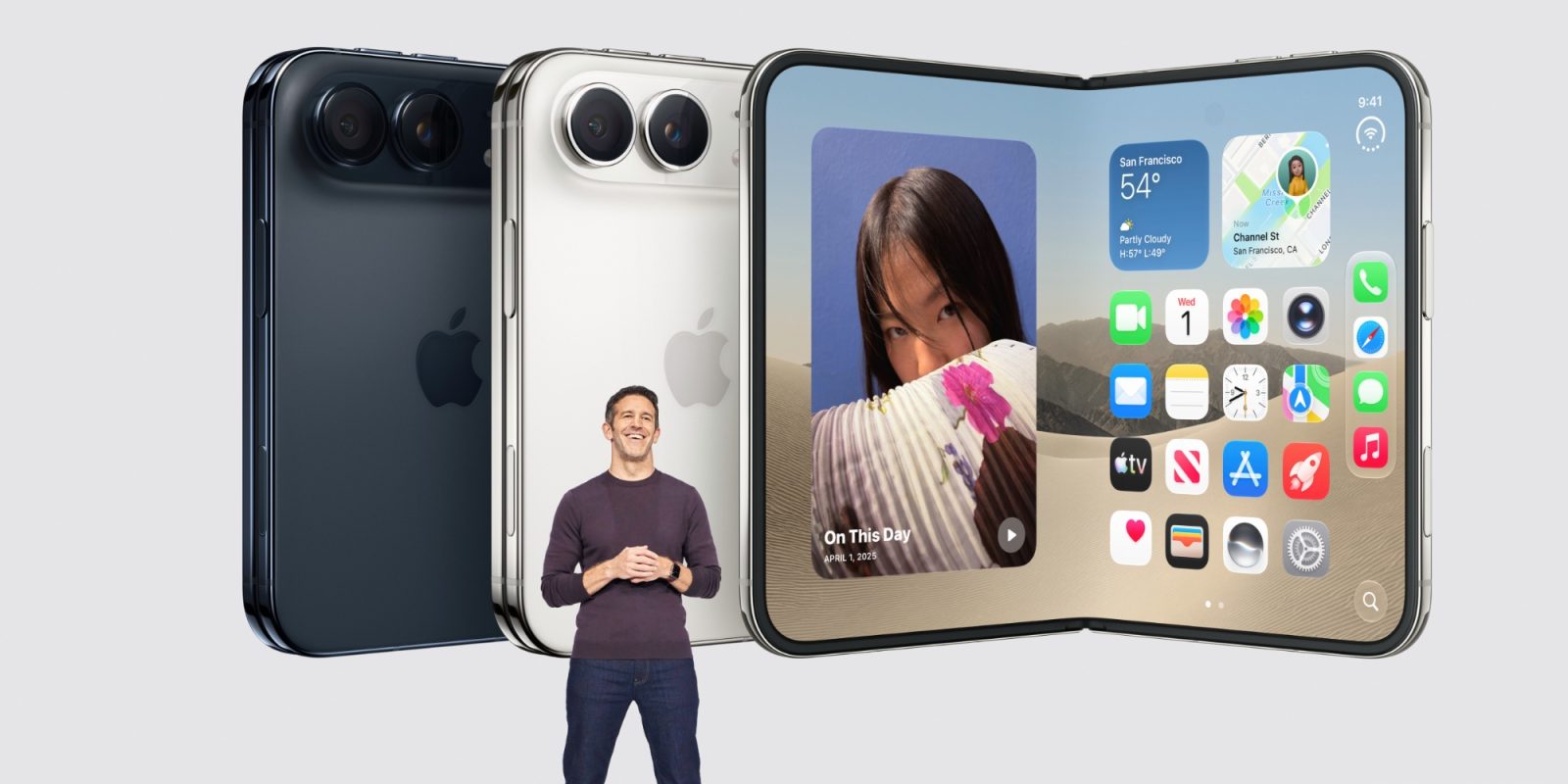
TIME reveals its 2026 best inventions list, spotlighting iPhone Duo with John Ternus on the cover
John Ternus sat down with TIME for a comprehensive interview that delves into the iPhone Duo’s development journey, market timing challenges, and explores various technological topics including artificial intelligence.
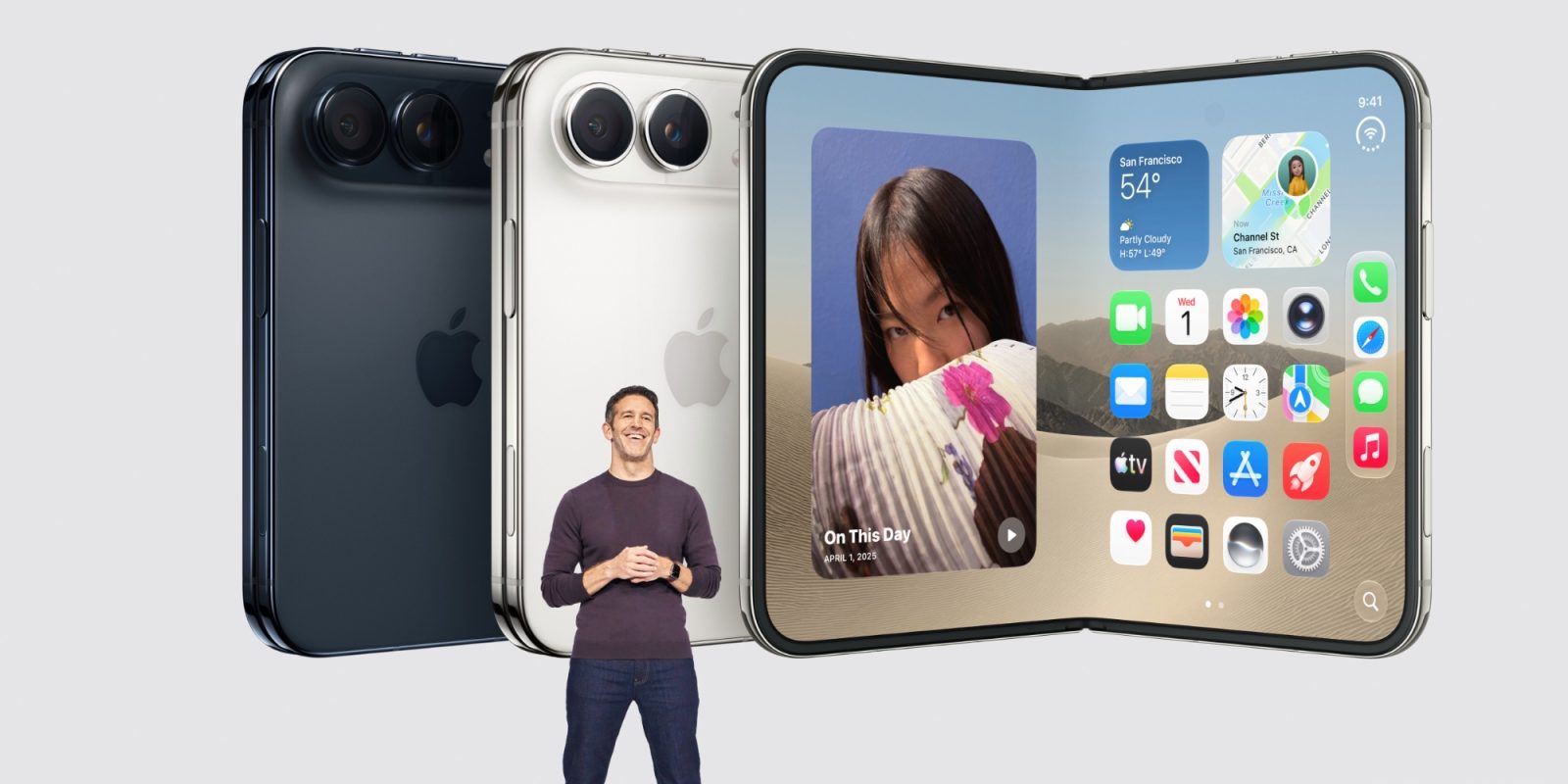
The iPhone Duo project, which launched nearly a decade after competing foldable devices entered the market, has roots dating back to 2011 when Ternus was involved in Apple’s early foldable research efforts.
In 2011, when flip phones were still prevalent, Ternus and five fellow engineers filed a patent application for foldable electronic devices, investigating the battery and circuit board requirements for such technology. “It was evident that we’d eventually reach a point where OLED displays would become flexible,” explained Ternus.
In 2011, when many people still carried around flip phones, Ternus and five other engineers filed a patent application for foldable electronic devices, exploring what kind of batteries and circuit boards might be needed for such an idea. “It felt clear that we were going to eventually get to a place where OLED displays were going to be flexible,” Ternus says.
Ternus expressed dissatisfaction with the initial foldable phone offerings from other manufacturers during the 2010s, describing them as “somewhat inexpensive and poorly made.”
This commitment to creating a superior foldable device is illustrated by a narrative from Richard Dinh, Apple’s Vice President of Product Design. During the development process, Ternus encouraged the team to dedicate more time and effort to the project, even as competitors reached the market first.
Dinh recounted asking Ternus whether the team should proceed with a top surface material similar to competitors’ approaches, which Dinh believed had flaws but might be sufficient.
Along the way, Ternus encouraged the team to invest more time and effort in the project, even as other foldables beat them to market. Dinh says that at one point, he asked Ternus whether his team should proceed with a top surface material similar to those of its competitors, which Dinh felt had flaws but was potentially good enough.
“And he was like, ‘Look, Rich, you’ll know when it’s the right thing.’ And that gave us the confidence to really push the boundaries on innovation and manufacturing, and fly worldwide to connect our suppliers together and come up with the nanotexture [a surface technology],” Dinh says.
The result—a surface made from a custom polymer and built atop a hinge with more than 100 tiny interior precision components—has impressed its first users, who have said they can barely detect a crease at all.
“And he said, ‘Look, Rich, you’ll know when it’s the right thing.’ And that gave us the confidence to really push the boundaries on innovation and manufacturing, and fly worldwide to connect our suppliers together and come up with the nanotexture [a surface technology],'” Dinh stated.
The outcome—a surface crafted from a custom polymer and constructed atop a hinge with over 100 tiny interior precision components—has impressed early users, who report barely detecting any crease.
The article also notes that Ternus “has devoted much of his early tenure as CEO to an obsession with design, spending multiple days each week in the studio with the industrial design and human interface teams.” This aligns with previous Bloomberg reports about Ternus’s early priorities.
Additional topics Ternus addresses in the interview include:
- Apple Intelligence’s utilization of Gemini technology: “We don’t have a goal to make every single thing in a product. We create the elements where we can truly deliver differentiation.”
- Siri AI’s distinctive advantages: “Everything in your life is on your phone. With Siri AI, you can leverage all that information to accomplish tasks, learn things, and solve problems in ways that nobody else can.”
- Limited sleep before the September event: “I was experiencing such a surge of adrenaline and caffeine and excitement for the day.”
The complete TIME article is well worth reading and can be accessed here.
What insights did you gain from John Ternus’s latest interview? Share your thoughts in the comments section below.