

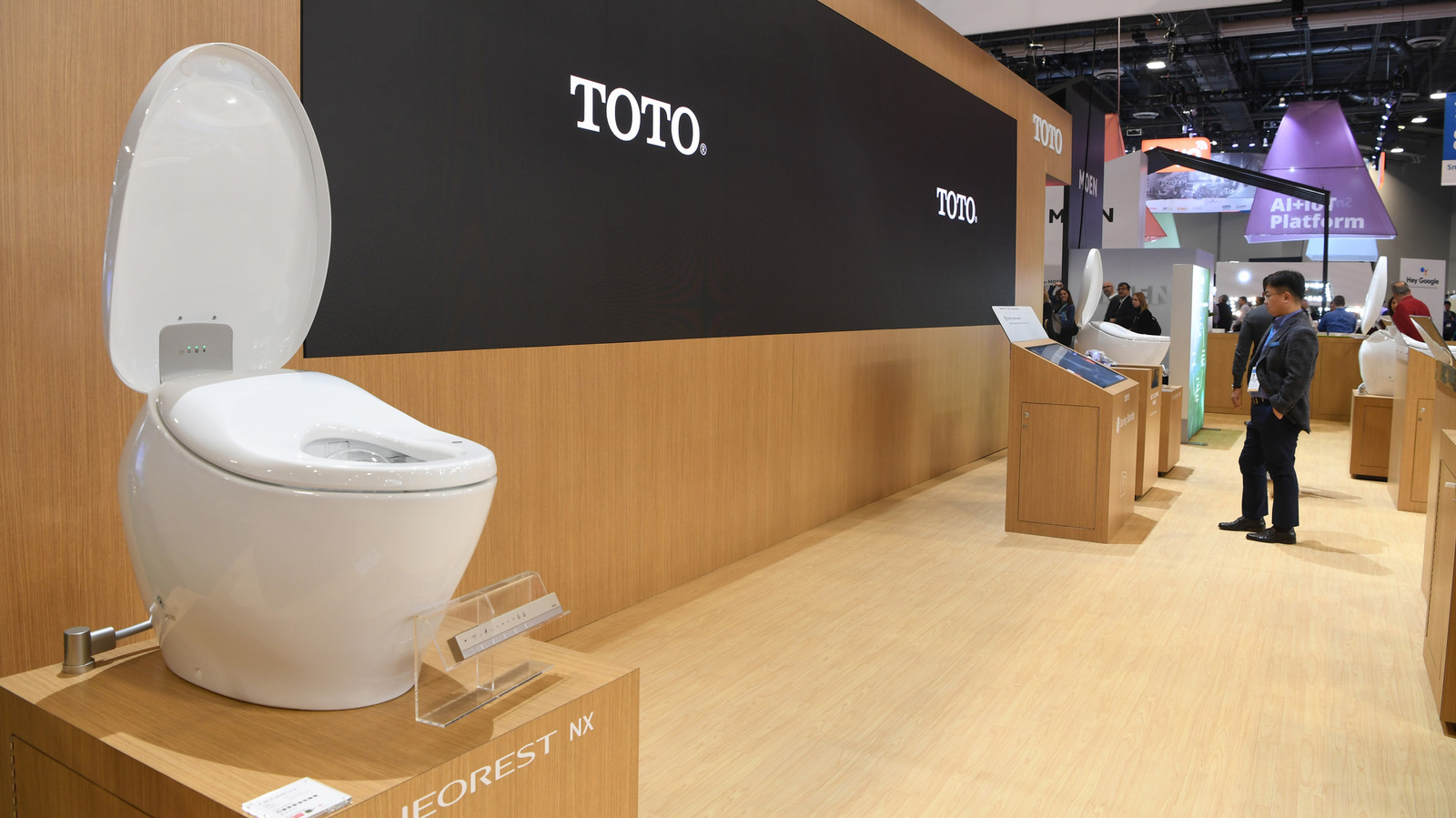
If you believe businesses should focus solely on their primary field, Toto is ready to wash that idea down the drain. While the Japanese firm is widely recognized for its advanced bidet toilets, it also operates a sophisticated ceramics segment that supplies parts for NAND memory chips. This specific sector has surged by 34 percent compared to last year, driven by soaring demand for AI chips. It now contributes 55 percent of Toto’s total operating profit of 53.8 billion yen ($343.5 million) for the current fiscal period. Looking ahead, Toto anticipates this division will expand at a rate of approximately 27 percent next year. To support this growth, the company intends to allocate an additional 30 billion yen (roughly $192 million) over the upcoming fiscal year to enhance mass production capabilities and research and development efforts.
Interestingly, Toto stands as the world’s second-largest manufacturer of electrostatic chucks (E-chucks), a critical tool in NAND memory production. These components utilize electrostatic force to firmly secure silicon wafers during the fabrication process. According to Nikkei, the ceramics division, founded in 1984, also produces aerosol deposition components and structural elements utilized in the creation of large LCD panels.
Toto is not alone among unexpected Japanese firms profiting from the AI revolution. Cosmetics maker Kao has developed a segment focused on semiconductor cleaning agents, while Ajinomoto, the inventor of MSG, is investing 25 billion yen ($159.5 million) into producing insulating films for motherboards.
Toto’s financial performance highlights how the AI boom, which has fueled a prolonged stock market rally through companies like NVIDIA, has also elevated more surprising sectors. However, the underlying concern remains the potential for an AI bubble to burst, which could destabilize the broader economy.